
The Real Cost Behind Every Tariff Price Increase
Yes, brands are raising prices.
I'm watching it happen across nearly every brand I work with right now, and tariffs are only part of the story. 81% of executives call tariffs a moderate or serious risk to their business, and more than half are already adjusting forecasts, cutting costs, or changing suppliers in response. But tariffs aren't acting alone. Labor costs are up. Overhead is up. Ingredient costs are up. What used to be a nice-to-have on a brand's list, whether that's better packaging or a new piece of equipment, has quickly turned into a must-have that still needs funding from somewhere. So retail prices go up, because something has to give.
The Math Most People Miss
The cost to participate in retail programs is climbing right alongside everything else. Raising price doesn't automatically protect margin when the cost to stay on the shelf is climbing just as fast. Retailers, brokers, and distributors still take their cut. Consumers only pay what they're willing to pay. The brand is the one absorbing the space in between, and that space keeps getting tighter and tighter.
What Happens on the Consumer Side
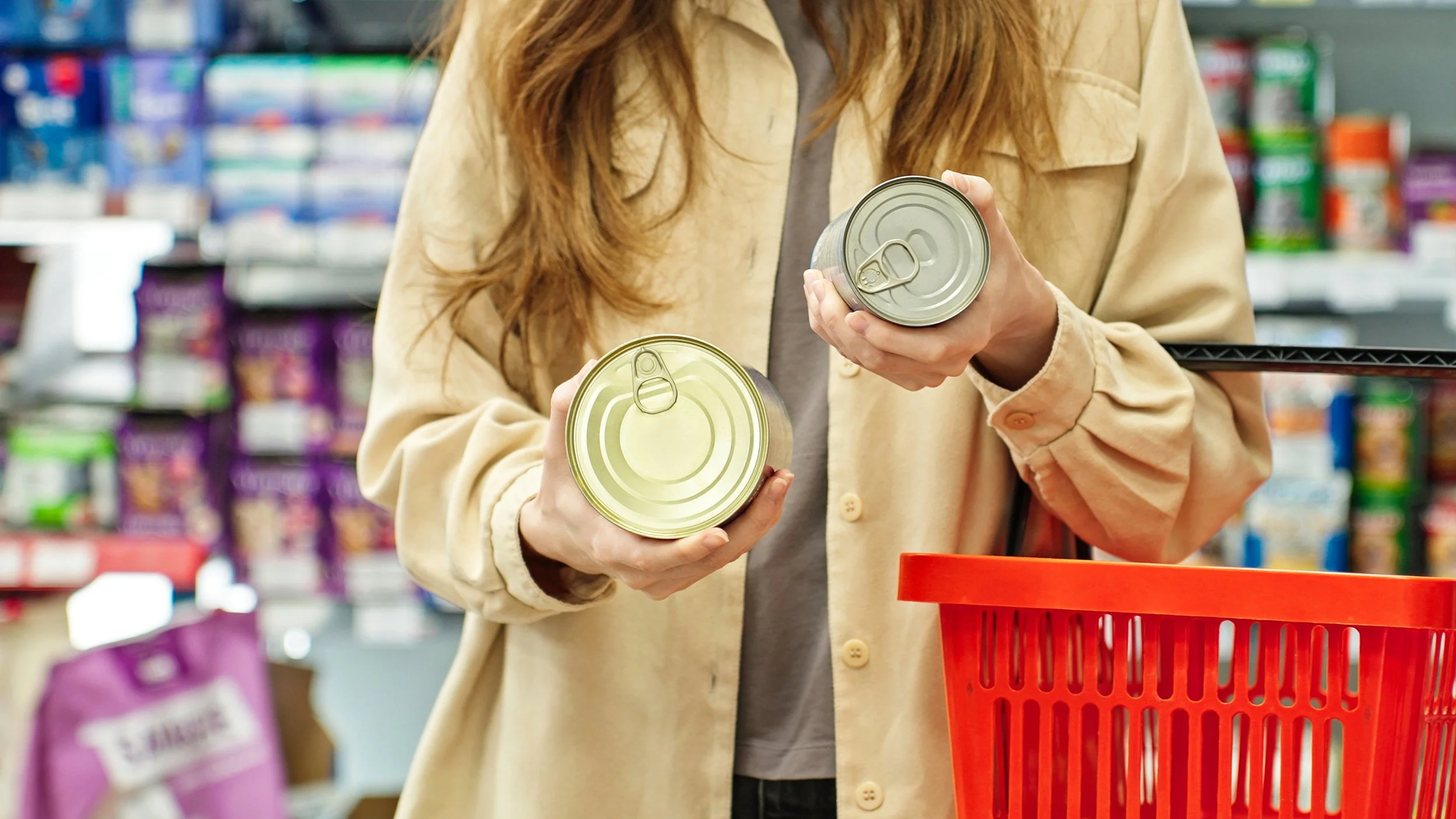
Consumers feel this too, just from the other direction. They aren't walking away from the categories my clients sell in. Food, household goods, personal care: those aren't optional purchases. What's becoming optional is which specific product fills that need. When a price goes up on something that used to feel like an easy yes, especially anything closer to an indulgence than a staple, shoppers start asking themselves a real question: is this worth what I'm paying for it now? If the honest answer is no, they don't stop buying the category. They buy it less often, or they buy something else in it, and they decide whether the product they used to reach for automatically is still worth reaching for at all.
Where Private Label Gets Its Opening
That's exactly where private label gets its opening, and it isn't the opening most brands think it is. I have a personal care item in my own house that we buy in a private label version, and it isn't because of the price. It's because the product itself is genuinely better than the name brand we used to buy. Private label has stopped being the safe, generic backup. Retailers are putting real investment into their own labels: new forms, new flavors, functionality that didn't exist in that aisle five years ago.
That means a price increase driven by tariffs or cost pressure is arriving in a far more competitive environment than it would have five years ago. A shopper deciding whether your product is still worth the higher price isn't comparing it to what it used to cost. She's comparing it to whatever sits next to it on the shelf right now, at a lower price, from a private label competitor that keeps getting better.
The Question I Actually Get Asked
When a brand executive asks me whether to raise price to cover tariff costs, my answer is rarely just yes or no. The real question is whether that increase is paired with something that justifies it in the shopper's mind, not just on the P&L. A shopper who's already reevaluating whether a product earns its spot in her cart isn't going to keep paying more for the exact same thing when a better-made alternative is sitting one space over. The brands that hold their ground through this stretch are the ones using the pressure as a reason to sharpen what makes them worth the extra dollar, not just a reason to ask for it.
Every product has a next best alternative sitting close by on the shelf, whether that's a competitor's brand or the retailer's own label. Tariffs and rising costs aren't creating that competition. They're speeding up how fast shoppers go looking for it.
If shoppers are asking themselves whether your product is worth what they're paying for it, what's your honest answer right now?
PS. I've spent 20-plus years inside categories where every dollar of trade spend and every point of margin had to be defended. That's the lens I bring to pricing conversations with clients today.